Understanding Fire System Cause and Effect Programming
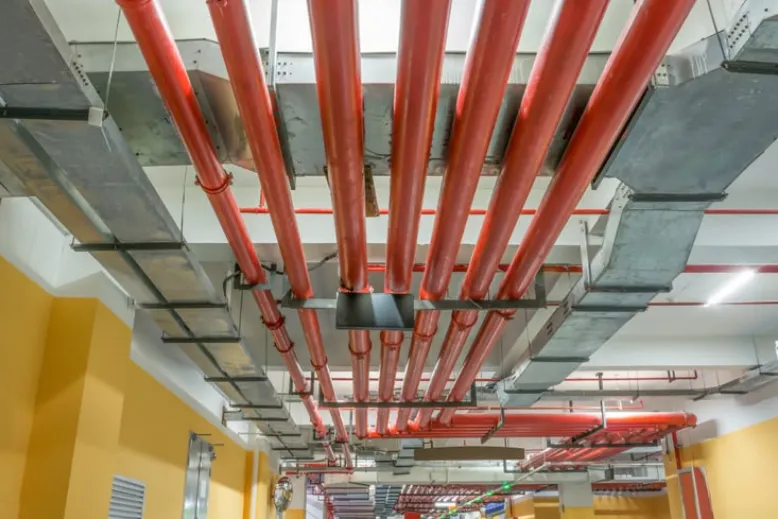
A modern fire protection system needs to do far more than detect smoke and activate an alarm. In commercial, industrial, and critical environments, a fire event may require multiple systems to respond in a carefully controlled sequence. Suppression may need to activate, ventilation equipment may need to change state, access control systems may need to…
Future-Proofing Fire Protection for Expanding Businesses
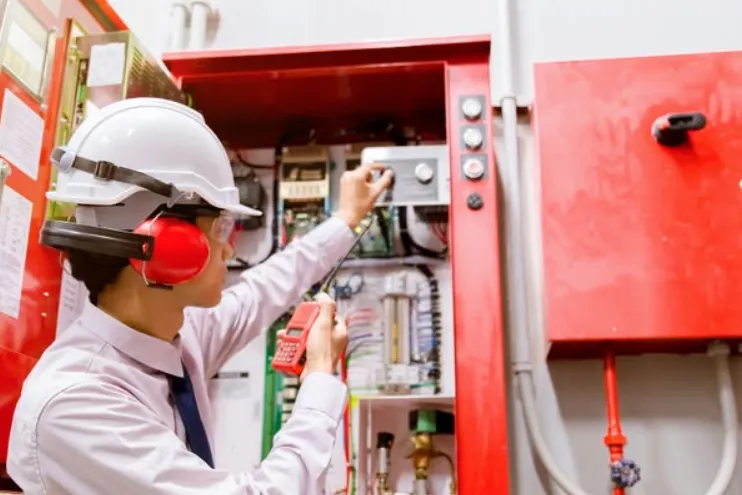
Business growth changes more than revenue, staffing, and production capacity. As organisations expand, their buildings and infrastructure often change with them. New equipment is installed, floor space is increased, technology environments become more complex, and existing facilities are adapted to support new operational demands. Fire protection needs to evolve at the same pace. A system…
Fire Protection Commissioning: Why the Final Stage Is Often the Most Important
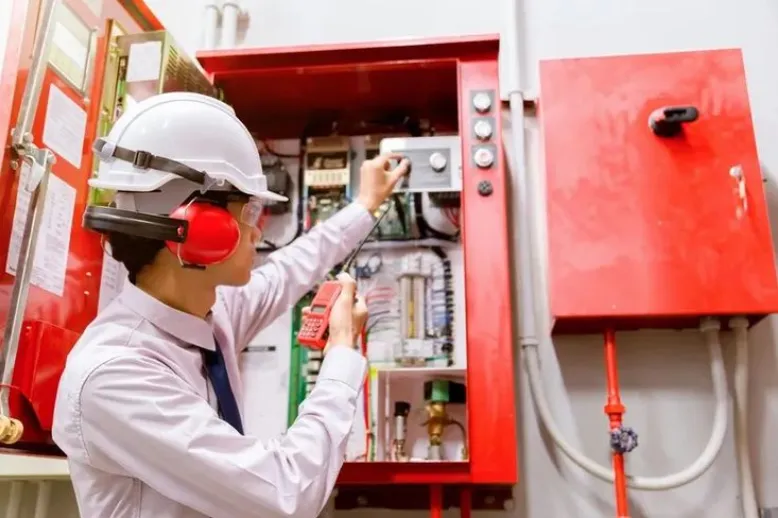
Installing a fire protection system is a significant milestone in any commercial, industrial, or mission-critical project. However, the installation itself is not the final measure of success. A system can be expertly designed, correctly installed, and fully compliant on paper, yet still fail to perform as intended if it has not been properly commissioned. Fire…
Fire Protection During Data Centre Upgrades and Refurbishments
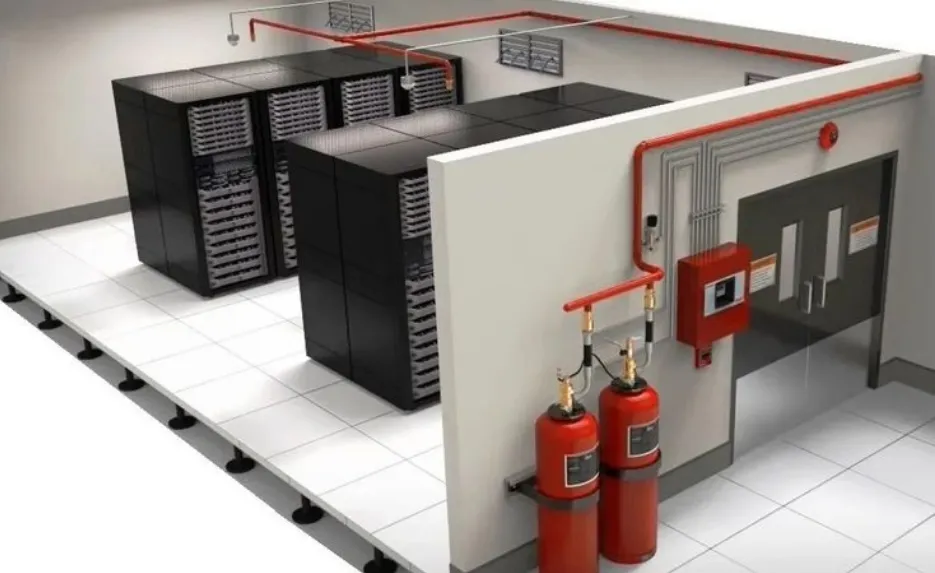
Modern data centres are constantly evolving. As organisations expand their digital infrastructure, introduce new technologies, and increase computing capacity, server rooms and data centres are regularly upgraded to meet changing operational demands. These projects improve efficiency, increase capacity, and support business growth, but they can also introduce significant fire protection risks if existing systems are…
Fire Protection in Control Rooms and Operational Command Centres
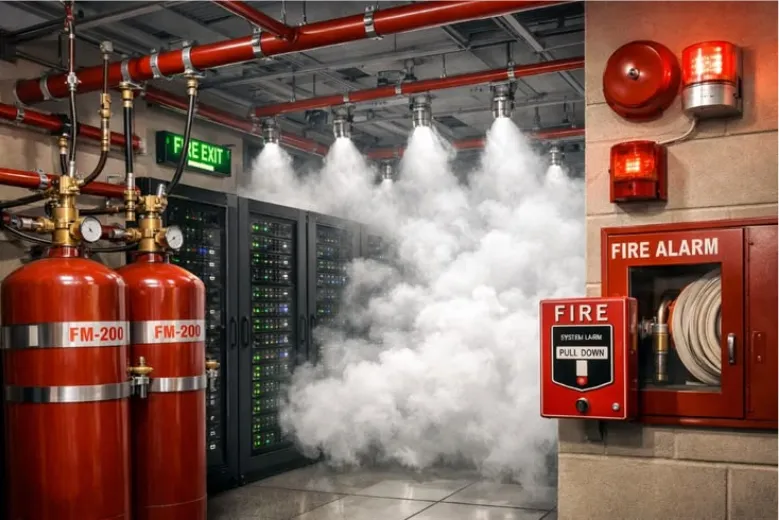
Control rooms and operational command centres are among the most critical environments within modern organisations. Whether managing power distribution networks, transport systems, security operations, telecommunications infrastructure, or industrial processes, these facilities function as operational nerve centres where real-time decisions are made and essential services are coordinated. Unlike conventional office spaces, control rooms often operate around…
What Insurers Look for in Fire Protection for High-Value Facilities
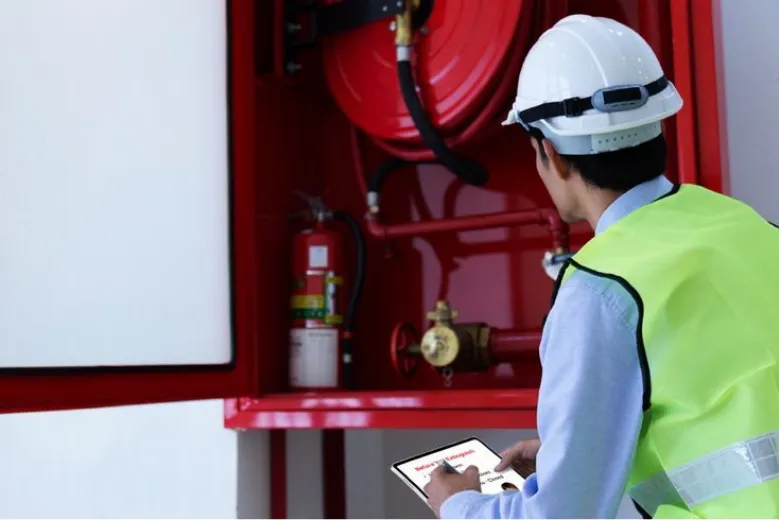
Insurance providers evaluate far more than the replacement value of a building when assessing risk. For high-value facilities such as data centres, control rooms, laboratories, manufacturing sites, and critical infrastructure environments, fire protection plays a major role in determining insurability, policy conditions, and claims outcomes. A facility may possess sophisticated fire protection systems, but insurers…
Fire Risk Assessments for Mission-Critical Facilities
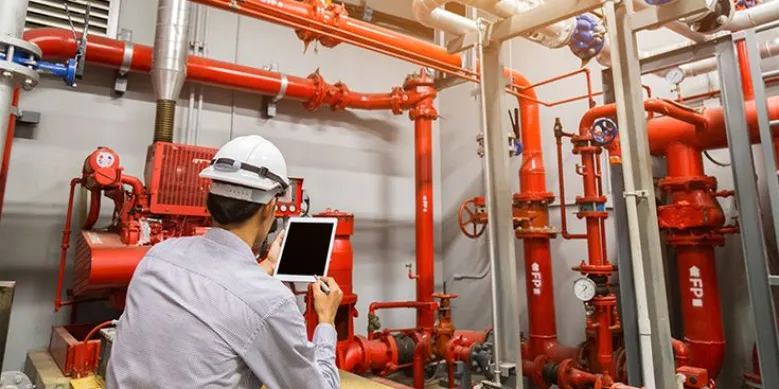
Fire risk assessments are often treated as compliance exercises, completed to satisfy regulatory requirements and then filed away until the next audit cycle. In mission-critical facilities, this approach creates significant risk. Data centres, server rooms, laboratories, control rooms, and operational command facilities function very differently from standard commercial environments. Their fire risks are shaped by…
Fire Protection Responsibilities Between Landlords and Tenants
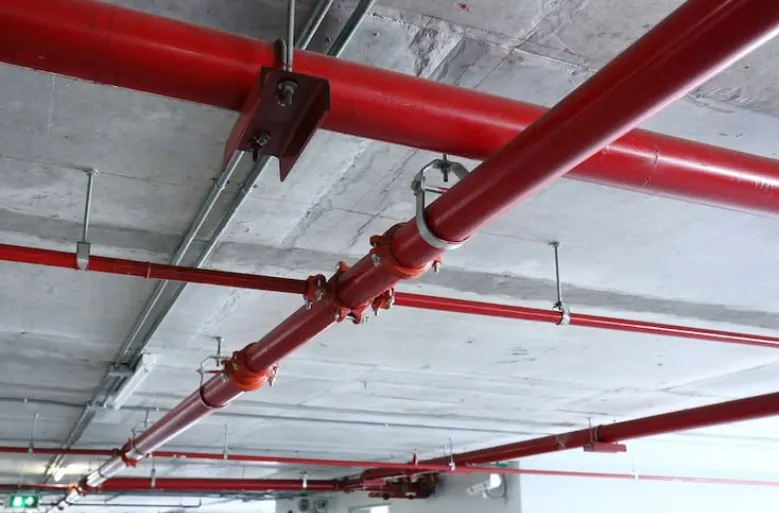
Fire protection responsibilities in shared buildings are often misunderstood. In many commercial and technical facilities, landlords assume tenants are responsible for fire safety within leased spaces, while tenants assume building owners manage all compliance obligations. This uncertainty creates significant risk. When responsibilities are unclear, maintenance can be missed, system modifications may go undocumented, and compliance…
The Role of Fire Protection in Business Continuity Planning

Business continuity planning is often associated with data backups, disaster recovery systems, and operational redundancy. However, one of the most immediate and destructive threats to continuity is frequently underestimated. Fire remains one of the fastest ways to disrupt operations, damage infrastructure, and halt critical services. For organisations operating in data centres, industrial environments, healthcare facilities,…
Why Fire Protection Should Be Reviewed After Every Major Maintenance Shutdown
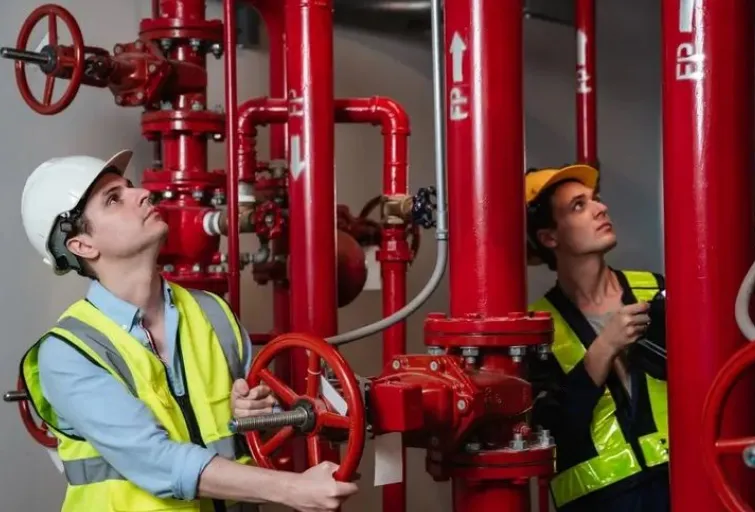
Maintenance shutdowns are a routine part of operating technical and industrial facilities. They allow organisations to upgrade systems, repair infrastructure, and optimise performance. However, these shutdowns also introduce an often-overlooked risk. During maintenance, changes are made to electrical systems, cabling, airflow, and building structures. While these changes may improve operational performance, they can unintentionally affect…
Why Fire Suppression Systems Fail During Real Emergencies
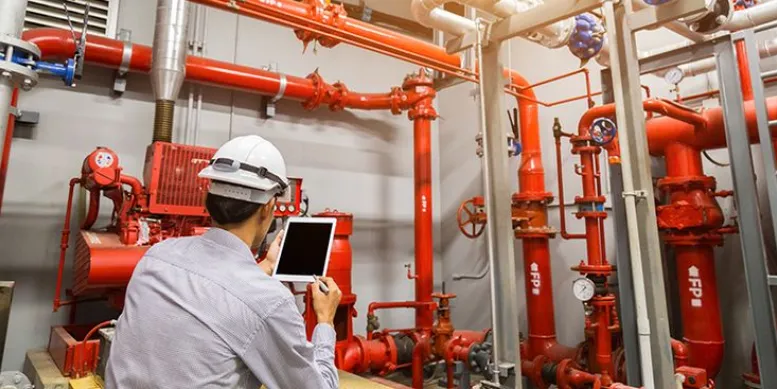
Fire suppression systems are designed to perform during the most critical moments a facility may face. Yet investigations into real fire incidents frequently reveal a concerning pattern. Systems that appeared compliant during installation or routine inspections sometimes fail when an actual emergency occurs. This does not necessarily mean the technology is flawed. More often, failure…
How Data Centre Growth Quietly Increases Fire Risk
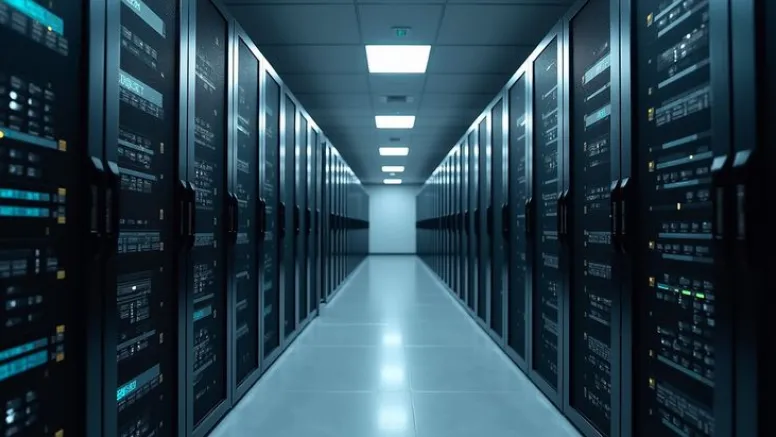
Data centres and server rooms rarely remain static environments. As businesses grow and digital infrastructure expands, these facilities evolve to support increasing demand for data storage, processing capacity, and connectivity. While expansion is a natural part of technological growth, it also introduces new fire risks that are not always immediately visible. Equipment density increases, power…
Fire System Audits Fail More Often Due to Documentation Than Equipment
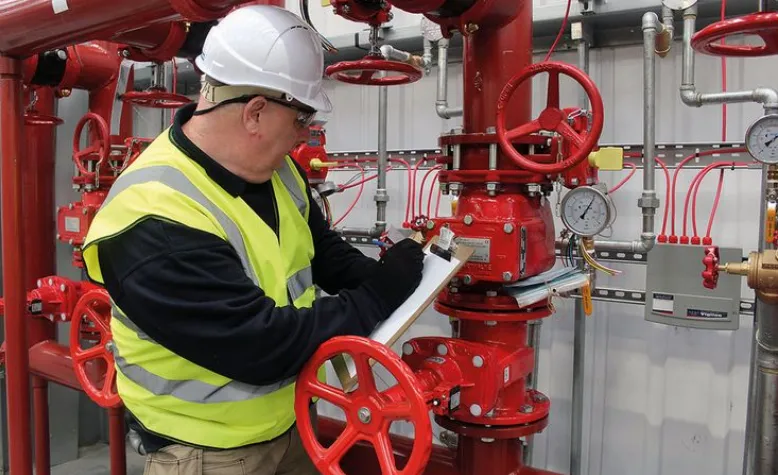
When fire system audits fail, the assumption is often that equipment is at fault. In reality, many audits fail because documentation is incomplete, outdated, or inconsistent with the installed system. For facilities operating clean agent suppression systems and critical fire protection infrastructure, documentation is as important as hardware. Auditors, insurers, and regulators rely on documentation…
Clean Agent Fire Suppression Systems Are Not Install-and-Forget Solutions
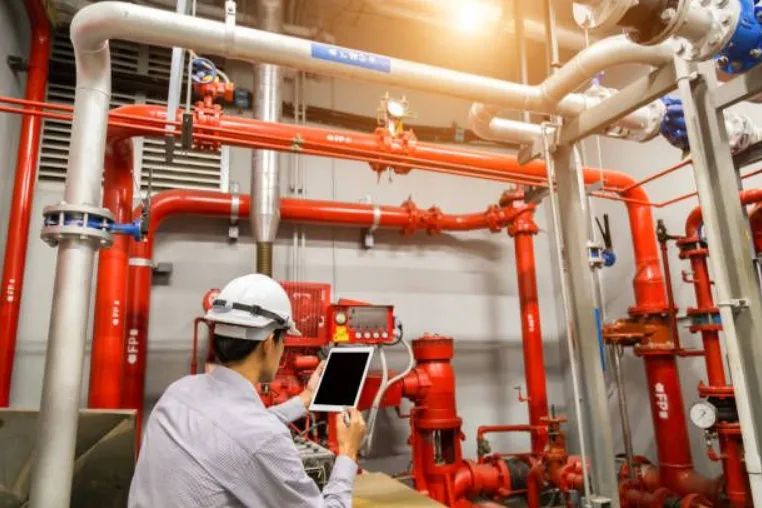
Clean agent fire suppression systems are often perceived as low-maintenance because they do not activate frequently. This perception creates one of the greatest risks in critical fire protection environments. While clean agent systems may sit idle for years, their ability to perform during an emergency depends entirely on ongoing inspection, verification, and performance assurance. In…
Why Room Integrity Testing Must Be Repeated After Building Changes
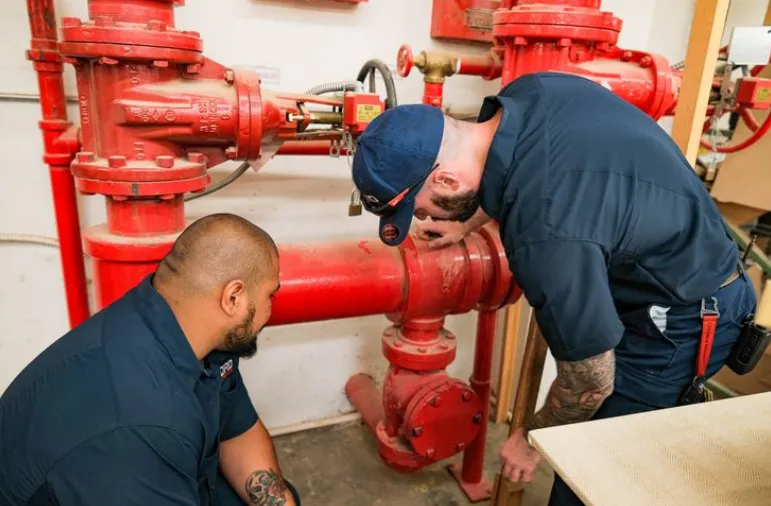
Room integrity testing is often misunderstood as a once-off requirement completed during system installation. In reality, it is an ongoing performance check that must keep pace with changes to the building environment. This is especially true in server rooms, data centres, and control rooms where layouts evolve constantly. Morimi Fire frequently encounters facilities that believe…
Why Server Rooms Require Specialised Fire Protection Systems

Server rooms are the operational backbone of modern organisations. They house the systems that manage data, communications, security, financial transactions, and cloud-based services. When a fire occurs in a server room, the impact extends far beyond physical damage. It can halt operations instantly, compromise sensitive data, and expose organisations to contractual penalties and reputational harm.…
How Passive Fire Containment Saves Lives and Reduces Damage
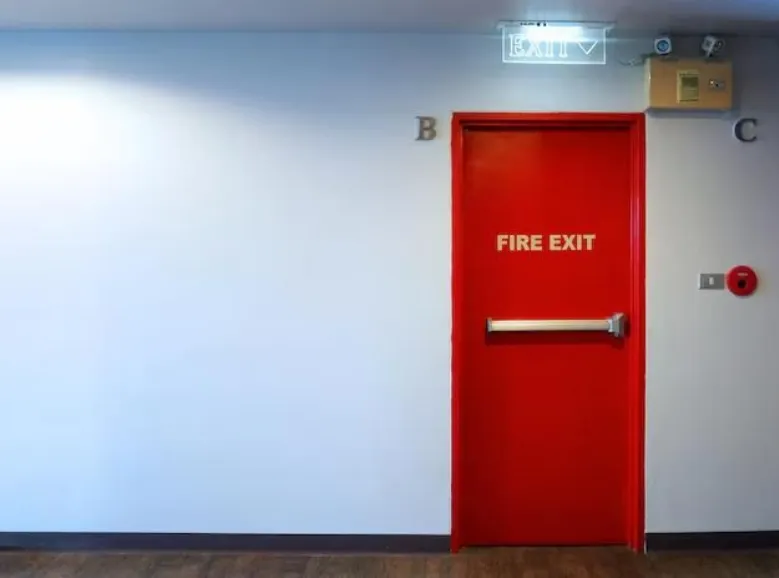
What Is Passive Fire Containment? When we think of fire safety, most people picture alarms, sprinklers, and extinguishers, systems that react to a fire once it starts. These are examples of active fire protection. But what happens when flames spread faster than response systems can act? That’s where passive fire containment steps in. Passive fire…
Fire Protection Strategies for Industrial & Manufacturing Facilities
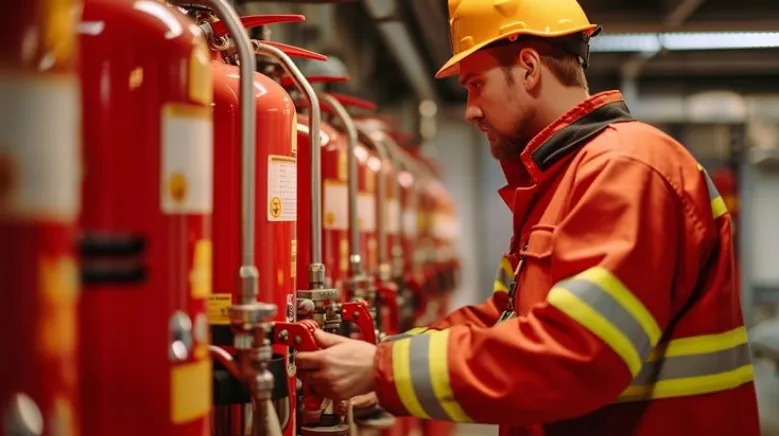
The Fire Risks Unique to Industrial & Manufacturing Facilities Industrial and manufacturing sites are environments where productivity depends on precision, machinery, and constant motion. However, that same intensity creates conditions where the smallest spark can escalate into a full-scale fire emergency. From welding operations and fuel storage to high-voltage systems and combustible dust, these facilities…
High-Pressure vs. Low-Pressure Fire Suppression Systems: A Technical Comparison
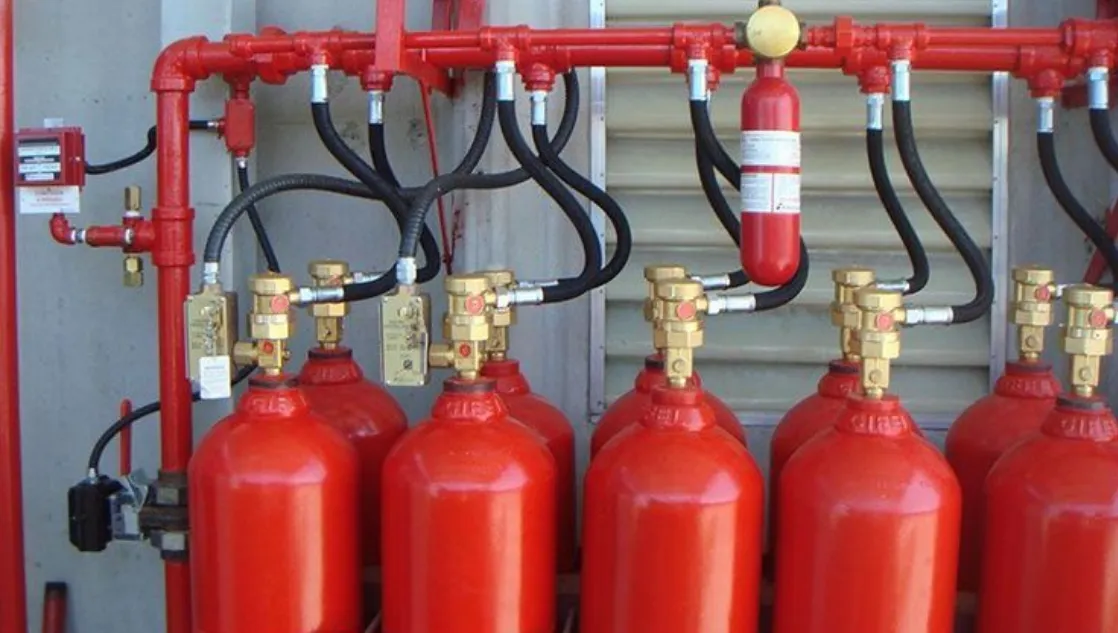
Understanding Fire Suppression Pressures Selecting the right fire suppression system isn’t just about meeting compliance standards, it’s about ensuring effective, rapid response to potential hazards. The pressure at which a suppression system operates can dramatically influence its performance, cost, and maintenance profile. In South Africa’s industrial and commercial environments, where facilities range from data centres…
Fire Safety for Commercial Buildings: Meeting SANS & NFPA Standards
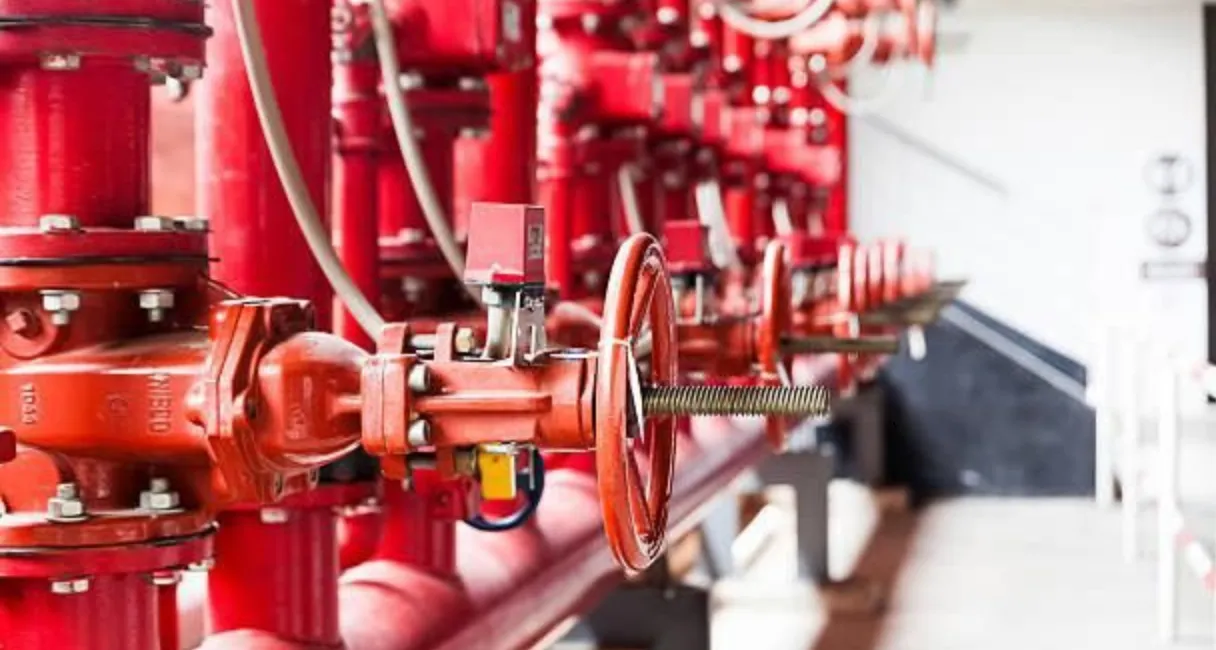
Understanding SANS Requirements Fire safety in South Africa isn’t optional, it’s a legal and moral obligation. Every commercial property, from retail complexes to corporate offices, must comply with the South African National Standards (SANS) and, in many cases, NFPA (National Fire Protection Association) standards to ensure the protection of lives and assets. For business owners…
Room Integrity Testing: Ensuring Fire Suppression Systems Work When It Matters Most
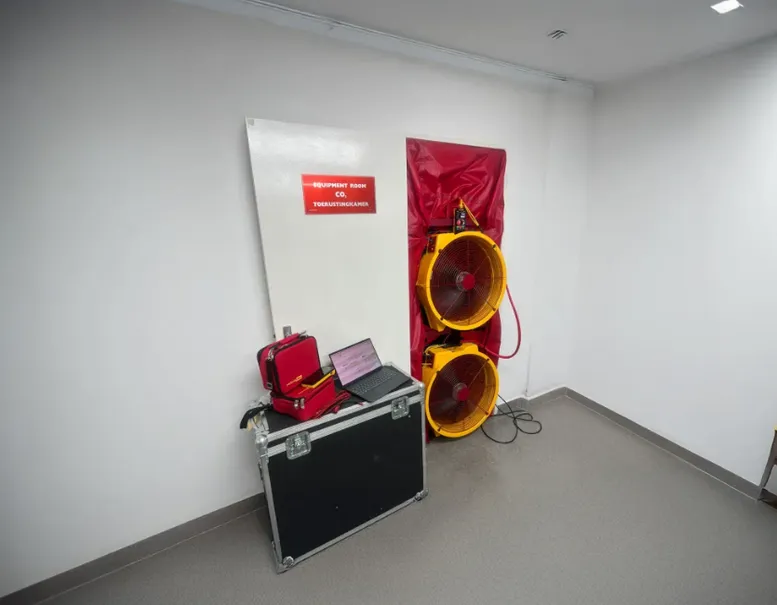
Why Room Integrity Testing Matters A fire suppression system is designed to protect people, property, and operations, but it can only do that if the space it protects is properly sealed.In environments like server rooms, control centres, archives, switch rooms, and laboratories, gas-based fire suppression systems depend on maintaining a precise concentration of extinguishing agent…
Fire Suppression Systems: Servicing and Installation Done Right
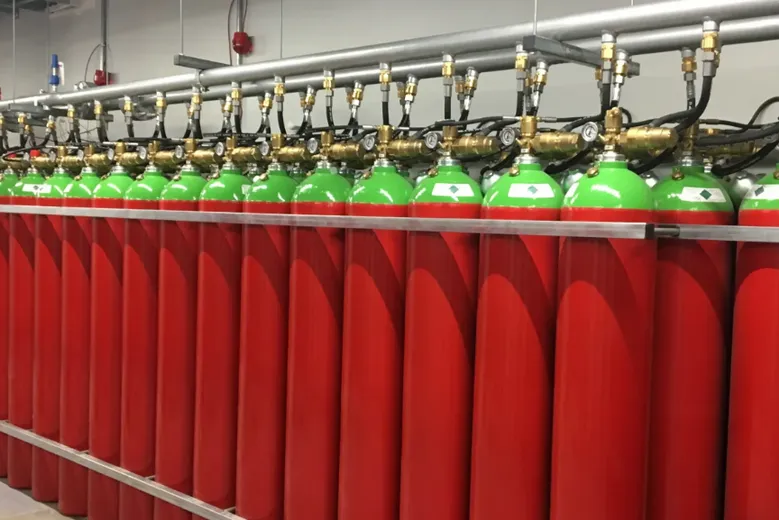
Understanding Fire Suppression Systems Fire suppression systems protect areas where traditional sprinklers may be ineffective or damaging, like data centres, server rooms, museums, chemical storage facilities, or control rooms.These systems use agents such as CO₂, inert gases, FM-200, NOVEC 1230, or wet chemicals to suppress fires quickly while minimising damage to equipment and structures.But even…
Gas Suppression Systems vs. Water-Based Systems: Which Is Right for Your Facility?
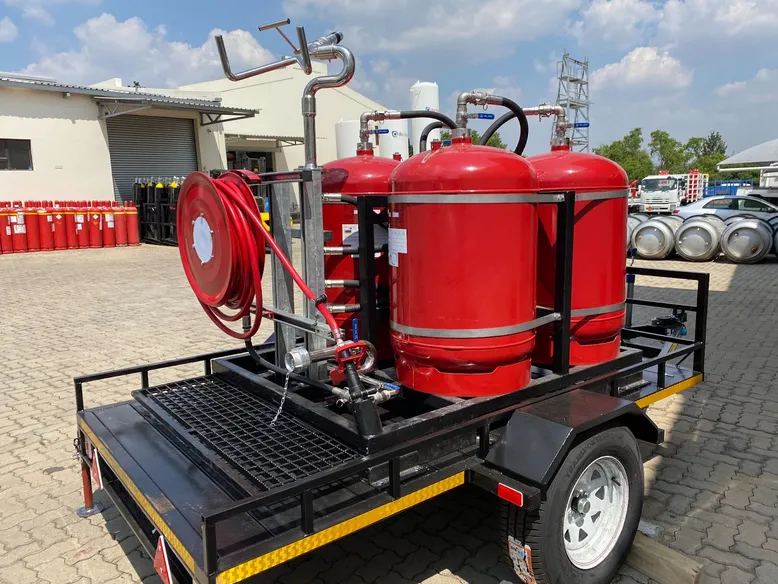
Choosing the wrong suppression system can be as damaging as a fire itself. Water-based sprinklers excel in large, combustible fire loads, but they can devastate sensitive electronics. Gas suppression solves that for enclosed, mission-critical rooms, yet it demands airtightness, correct agent design, and integrity testing. The right choice depends on hazard type, room geometry, asset…
The Critical Role of Fire Detection in Protecting Data Centres
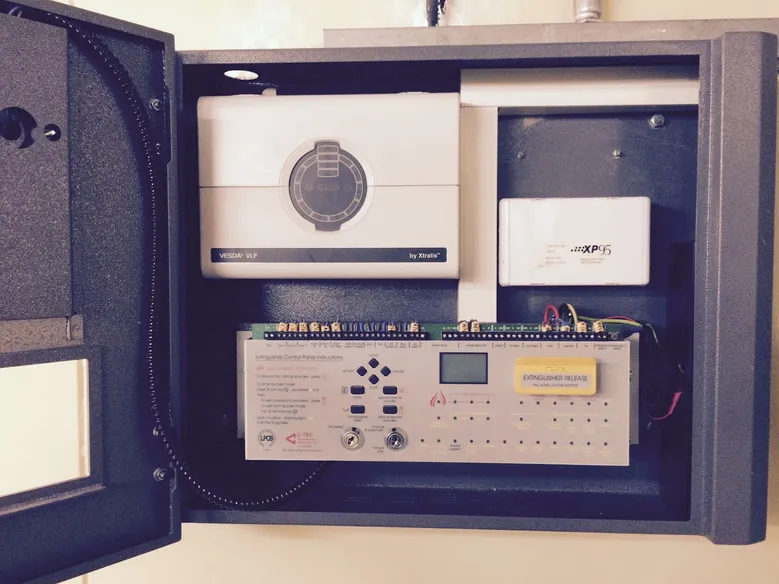
Safeguarding a data centre is about far more than alarms on the wall. It’s about early, accurate detection that spots fire at its incipient stage, often before there are visible flames, so you can prevent catastrophic equipment loss and crippling downtime. Modern data centres concentrate high-density electrical infrastructure, raised-floor voids, cable trays, and constant airflow.…