How Passive Fire Containment Saves Lives and Reduces Damage
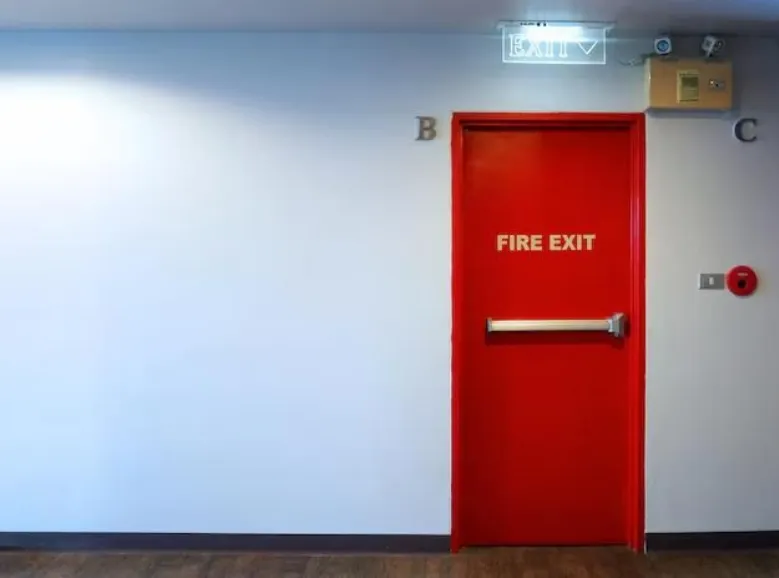
What Is Passive Fire Containment? When we think of fire safety, most people picture alarms, sprinklers, and extinguishers, systems that react to a fire once it starts. These are examples of active fire protection. But what happens when flames spread faster than response systems can act? That’s where passive fire containment steps in. Passive fire…
Fire Protection Strategies for Industrial & Manufacturing Facilities
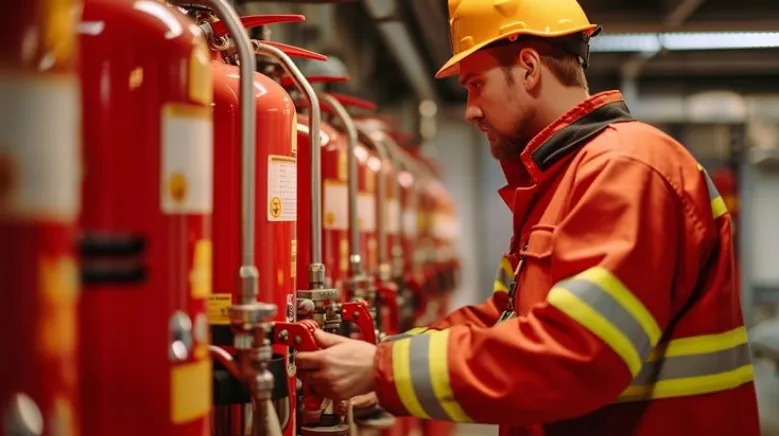
The Fire Risks Unique to Industrial & Manufacturing Facilities Industrial and manufacturing sites are environments where productivity depends on precision, machinery, and constant motion. However, that same intensity creates conditions where the smallest spark can escalate into a full-scale fire emergency. From welding operations and fuel storage to high-voltage systems and combustible dust, these facilities…
High-Pressure vs. Low-Pressure Fire Suppression Systems: A Technical Comparison
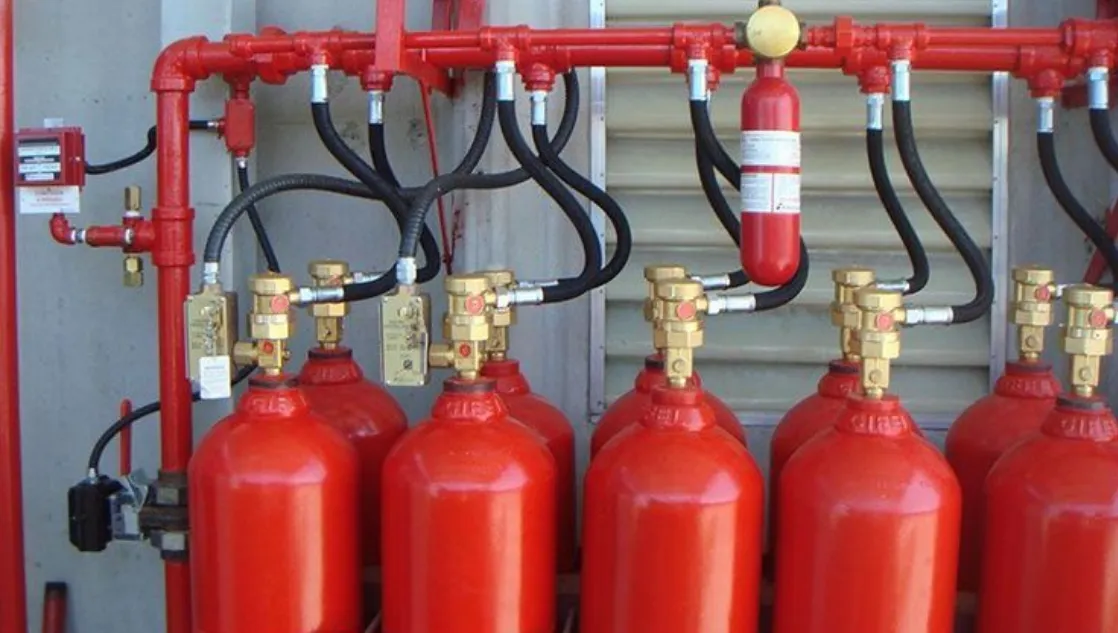
Understanding Fire Suppression Pressures Selecting the right fire suppression system isn’t just about meeting compliance standards, it’s about ensuring effective, rapid response to potential hazards. The pressure at which a suppression system operates can dramatically influence its performance, cost, and maintenance profile. In South Africa’s industrial and commercial environments, where facilities range from data centres…
Fire Safety for Commercial Buildings: Meeting SANS & NFPA Standards
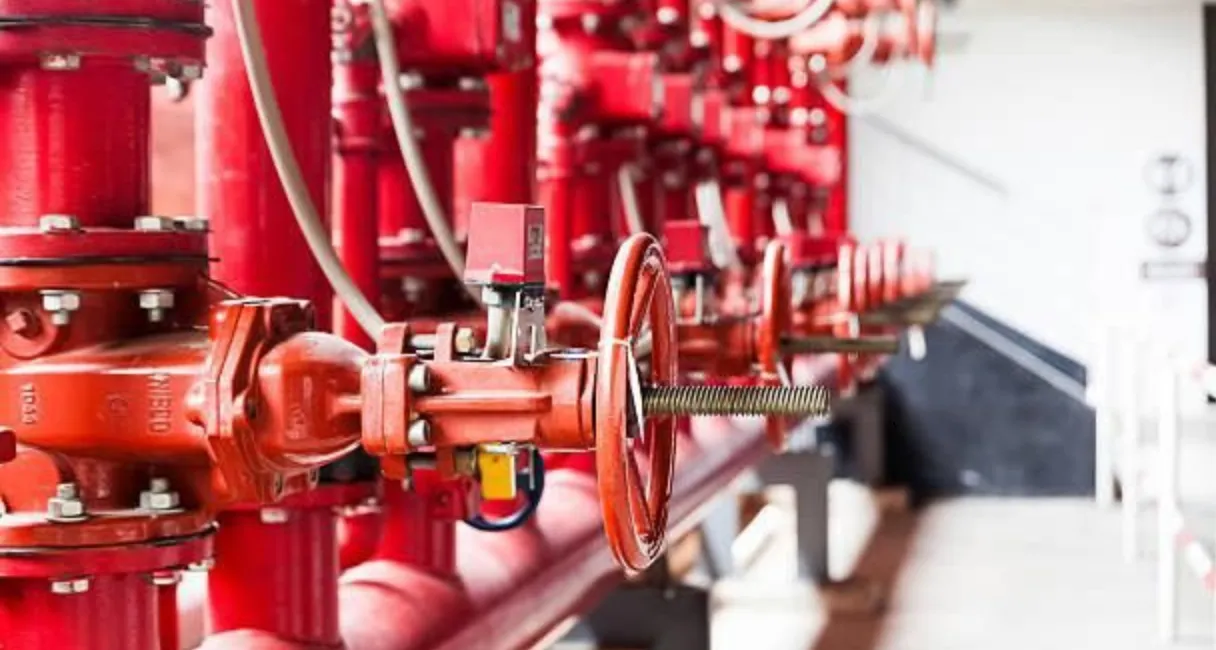
Understanding SANS Requirements Fire safety in South Africa isn’t optional, it’s a legal and moral obligation. Every commercial property, from retail complexes to corporate offices, must comply with the South African National Standards (SANS) and, in many cases, NFPA (National Fire Protection Association) standards to ensure the protection of lives and assets. For business owners…
Room Integrity Testing: Ensuring Fire Suppression Systems Work When It Matters Most
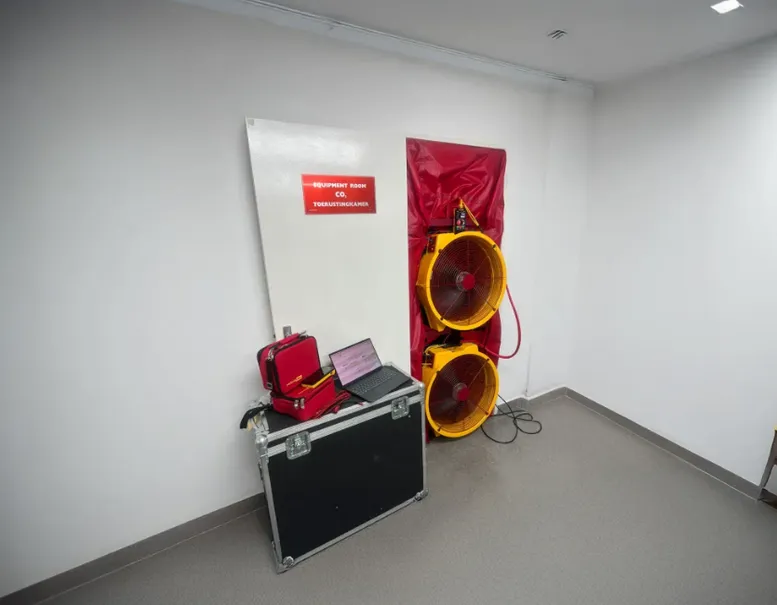
Why Room Integrity Testing Matters A fire suppression system is designed to protect people, property, and operations, but it can only do that if the space it protects is properly sealed.In environments like server rooms, control centres, archives, switch rooms, and laboratories, gas-based fire suppression systems depend on maintaining a precise concentration of extinguishing agent…
Fire Suppression Systems: Servicing and Installation Done Right
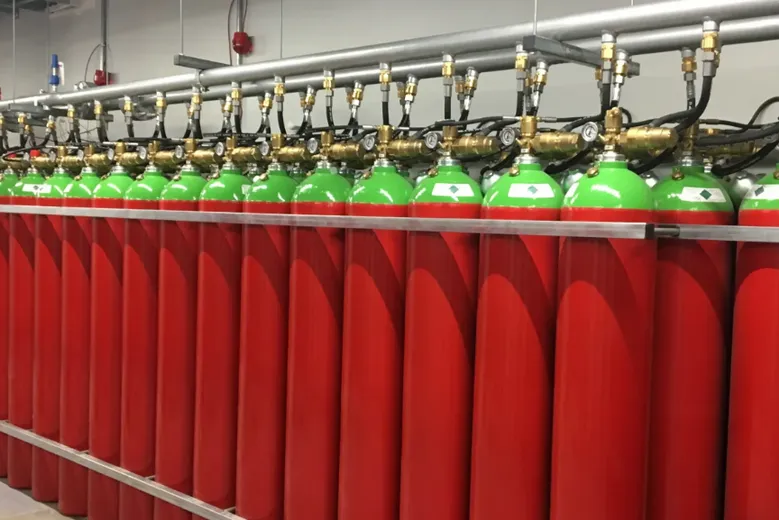
Understanding Fire Suppression Systems Fire suppression systems protect areas where traditional sprinklers may be ineffective or damaging, like data centres, server rooms, museums, chemical storage facilities, or control rooms.These systems use agents such as CO₂, inert gases, FM-200, NOVEC 1230, or wet chemicals to suppress fires quickly while minimising damage to equipment and structures.But even…
Gas Suppression Systems vs. Water-Based Systems: Which Is Right for Your Facility?
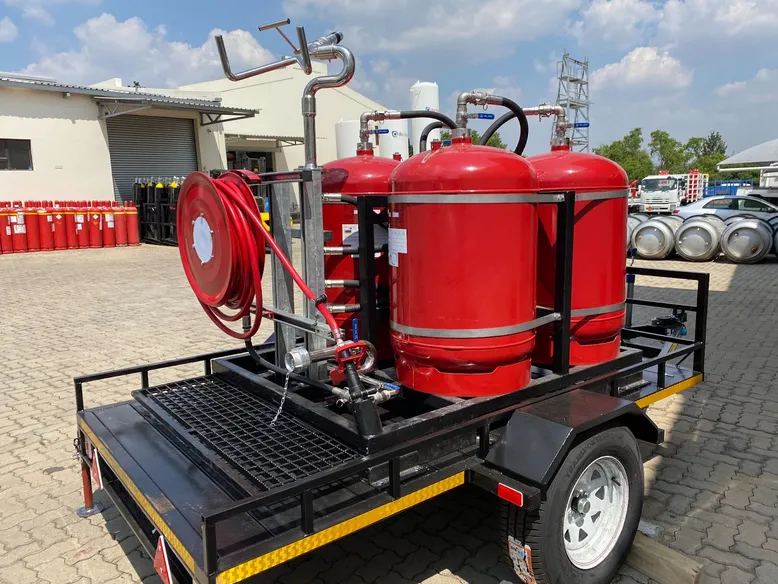
Choosing the wrong suppression system can be as damaging as a fire itself. Water-based sprinklers excel in large, combustible fire loads, but they can devastate sensitive electronics. Gas suppression solves that for enclosed, mission-critical rooms, yet it demands airtightness, correct agent design, and integrity testing. The right choice depends on hazard type, room geometry, asset…
The Critical Role of Fire Detection in Protecting Data Centres
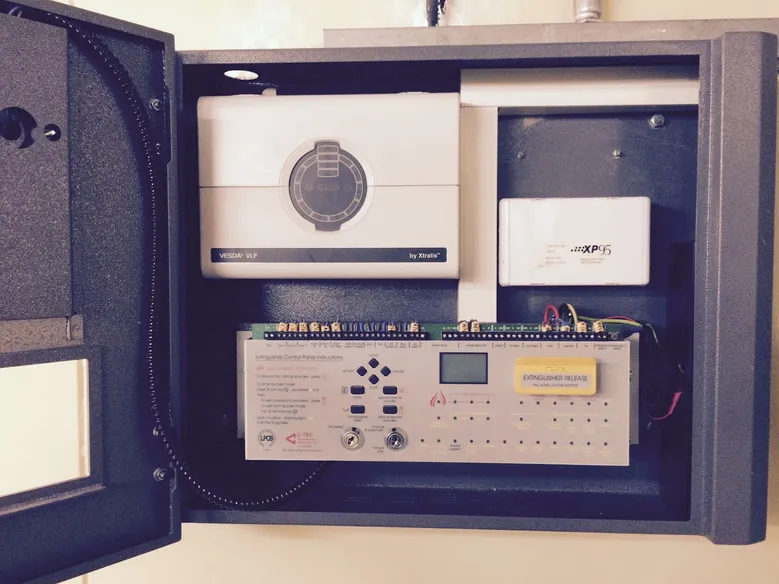
Safeguarding a data centre is about far more than alarms on the wall. It’s about early, accurate detection that spots fire at its incipient stage, often before there are visible flames, so you can prevent catastrophic equipment loss and crippling downtime. Modern data centres concentrate high-density electrical infrastructure, raised-floor voids, cable trays, and constant airflow.…